
Mga Kandidato sa Washoe – Distrito G
Nathaniel “Nate” Phillipps
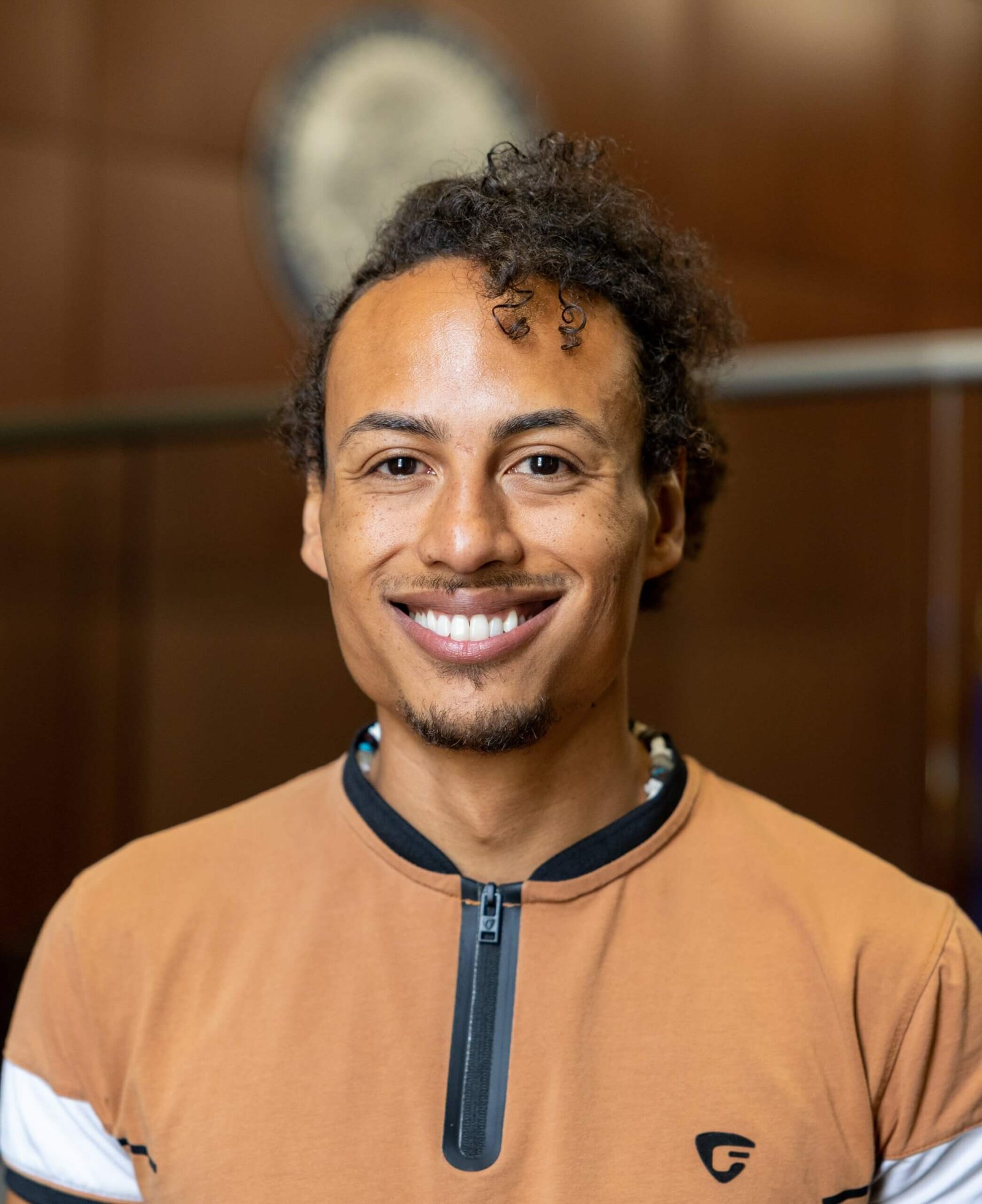
Q&A with Nathaniel “Nate” Phillipps
Tanong:
Bakit ka tumatakbo para sa WCSD Trustee? Ano ang iyong pananaw sa tagumpay para sa tungkuling ito?
Sagot:
Like most candidates, I am running to make a meaningful contribution to our community with my unique set of skills and experiences that I’ve made a career of in dedication to public education and cultivating genuine relationships and civic engagement across difference. However; unlike all of the other candidates, my personal background and experience would be unique on the board. All students deserve representation. Empirically, we know that when students see their identities reflected in trusted educators/adults, they do better academically.
Schools are the first line of defense for many families and are the most meaningful interaction between a resident and their government or public institutions . Therefore, schools should engender an almost radical sense of inclusion, welcoming, and belonging. They should also be accountable to the people they serve. Institutions that lack the fullness of diversity of the constituents are less efficient, impactful, legitimate, and resilient. Diversity really is a glue that holds people, workforces, and culture together while simultaneously promoting healthier, more dynamic outcomes for everyone involved. My vision is success is rooted in that truth, as well as being a champion for our hardworking classroom teachers and supportive staff.
Tanong:
Paano mo tinukoy ang tagumpay ng mag-aaral? Anong karanasan ang mayroon ka at anong papel ang nais mong gampanan sa pagtataguyod para sa tagumpay ng mag-aaral?
Sagot:
There is no universal metric for student success. Quality schools tend to the human and scholastic needs of the families they serve. They understand the quality of a pupil’s learning correlates to their overall quality of life; if their family and community are not ok, learning suffers.
My career is based in high-needs, Title 1, and alternative schools dedicated for students to thrive in outdoor and experiential learning, serving incredibly diverse youngsters bursting with potential. In my experience, one of the most important factors for success is students exercising agency and ownership over their own learning. My pedagogical grounding and philosophy is that learning happens when students and teachers collaborate to better understand the world around them.
I have years of experience rooting for, facilitating best practices, and directly coaching students and youth. Starting in middle school, I mediated juvenile justice cases like trespassing or fighting so that young people who owned up to their poor choices could get a clean slate. In high school, I learned about community organizing and promoted public health education amongst my peers as well as leading efforts around anti-bullying and inclusive campus cultures.
More recently, I facilitated social-emotional learning for 6th graders while connecting their families to wrap-around services. Students excel when surrounded by trusted, empowering adults.
Some of my peers running for this office have never done that for students. It’s not their time to serve.
Tanong:
Sa 2022 National Assessment of Education Progress (NAEP), ang mga mag-aaral sa ikaapat na baitang, sa Nevada, ay nakakuha ng 6 na puntos na mas mababa sa matematika at 7 puntos na mas mababa sa pagbabasa kung ihahambing sa 2019. Kung mahalal, paano mo magagamit ang iyong posisyon upang matiyak na titigil ang Nevada sumusunod sa pambansang kalakaran at nagsisimulang manguna sa mga resulta ng mag-aaral?
Sagot:
We know from research that more cohesive and resilient school districts have better outcomes for students. I think the smarter way to increase outcomes is to support our teachers and paraeducators more than ever before. Continuing to connect families to their children’s education is another paramount ingredient. I learned as a new classroom teacher the value of parent engagement waaay before a problem arises.
Students and young people *want* to make the adults and teachers around them that they look up to proud. Nevada has yet to show its students that it is worthy of their pride. We must do better.
If we want to be honest we can admit that becoming a leader in student outcomes is going to take many things working in tandem and synergistically: there is no one magic button. WCSD should fervently promote these evidence-based best practices like reducing principal turnover/retention, or experienced teachers working in more-challenged schools.
Tanong:
Ano, kung mayroon man, ang mga hadlang na kasalukuyang umiiral sa kahusayan sa edukasyon at katarungan para sa bawat mag-aaral? Kung mahalal sa Lupon ng mga Tagapangasiwa, paano ka makakatulong na maalis ang mga hadlang na ito?
Sagot:
Teachers, schools, and students benefit from well-rounded adults and educators around them. Educators who have (intentionally, or through a supportive professional development culture) gained experience in the many practices and qualities that best serve students and their needs. Schools are the first line of defense for many families and are the most meaningful interaction between a resident and their government or public institutions in the lives of many. Therefore, schools should engender an almost radical sense of inclusion, welcoming, and belonging. They should also be accountable to the people they serve.
Tanong:
Ano sa palagay mo ang nangungunang tatlong pinaka-paulit-ulit na hamon na kinakaharap ng WCSD Board of Trustees? Ano ang isang halimbawa ng isang matapang na diskarte na imumungkahi mong tugunan ang isa sa mga hamong iyon?
Sagot:
Trustees should spend way more time in our schools. I think we should invite more parent and school groups to speak and present to the board. There’s no reason each trustee can’t have invited guests or conduct regular outreach in their districts, to foster greater engagement.
Certainly not unique to WCSD is the reality oarents feeling at odds with their school district or that their preferences and parental philosophy are not represented in their child’s instruction. Responsbile trustees work to improve the combative, derisive environment that has impacted district meetings nationwide. If we are constantly striving to engage and include parents in all of our strategic initiatives and day-to-day processes, parents will feel like they are partners with a school and cultivate a mutual desire to see it succeed.
Bold approach: We should do more meetings as collaborative public workshops as well as institute participatory budgeting so that students and parents can have the power to unilaterally decide where a portion of our school district’s funds go!
Budgets are best adapted to the smallest units. Let the people decide.
Tanong:
Iminumungkahi ng pananaliksik na higit sa 50% ng isang pulong ng lupon ay dapat nakatuon sa mga resulta ng mag-aaral. Paano mo matitiyak na ilalaan ng lupon ang ganitong dami ng oras sa mga resulta ng mag-aaral?
Sagot:
By encouraging more collaboration with different district stakeholders and departments, bringing them into our decision-making inclusively and deliberately. It starts with how we agendize our work meetings: we can ensure that the majority of our meeting items and discussion center students. When the board has controversy or poor deliberative capacity policy suffers. Controversy and division takes away from finding common direction and purpose in facilitating better outomces for students.
Every meeting agenda should include a focus on outcomes. Ideally, it would also include engagement from the broader community around those outcomes. Trustees should regularly evaluate their progress on short and longterm goals at meetings and keep community informed. We also must use our data better, but not be mired in it. If it’s worth collecting the data then it should be worth using it.
Trustees could have working sessions, and even meet a little more than usual, to implement some of these effective engagement and collaboration strategies. As mentioned in the previous question, instituting participatory budgeting internally and externally—where constituents have a dedicated pool of funds to democratically make decisions.
Tanong:
Kung mahalal sa Lupon, paano mo haharapin ang mga mapaghamong pag-uusap at/o mga kritisismo na maaaring lumabas mula sa mga kapwa miyembro ng Lupon, stakeholder, at sa mas malawak na komunidad?
Sagot:
As an adult. If you cannot manage and meet conflict, disagreement, or tension in a generative way and with emotional awareness and intelligence, then you can find other avenues for service. The *school board* is the place for competent professionals to collaborate in creative and empathetic ways to provide high-quality education.
I welcome constructive feedback and criticism. We don’t have to agree; but we should be able to have respectful, informed dialogue. It’s your kids, we’re talking about. They are worth all the intentional consideration in the world.
There are many things to try before disagreement leads to acrimony or litigation, like mediation and alternative dispute resolution. If we genuinely promote constituent involvement and empower students, staff, and faculty to help self-govern their school district—building trust and teamwork—it naturally wards off division.
Tanong:
Anong mga pangunahing tagapagpahiwatig ang iyong gagamitin upang masuri ang pagganap ng Superintendente ng WCSD? Paano mo papanagutin ang Superintendente?
Sagot:
I would create clear and impactful metrics for the superintendent aligning with the goals of the board and trustees’ vision. The superintendent works for us, which means they work for you. A good superintendent is accountable to the workforce, students, and families alike. They should be fluent and comfortable interacting with and enthusiastically meeting the needs of the diverse constituents throughout the Washoe Valley.
This means practicing cultural humility and empathetic coaching and communication across departments, cultures, and initiatives, as well as deep knowledge of WCSD and its institutional progress and challenges.
Tanong:
Sa isang kamakailang survey, 77% ng mga residente ng Nevada ay sumang-ayon na ang mga magulang ay dapat na maipadala ang kanilang mga anak sa pampublikong paaralan na sa tingin nila ay pinakamahusay para sa kanilang anak, kahit na ito ay nasa labas ng kanilang kapitbahayan. Sumasang-ayon ka ba? Pakipaliwanag ang iyong pangangatwiran.
Sagot:
I do agree. As a public education champion, I am against drawing funds away from already bewildered and under-resourced schools. That does not mean that every family and every child does not deserve a learning environment that enables them to thrive. Everyone has their unique learning style—there’s no reason that as a society we cannot meet the needs of each individual learner. We just have to have the political will to fund it.
All schools should be teaching the necessary skills and healthy behaviors for young people to positively contribute to their communities, on top of academics and quality academics, no matter where someone resides. If that were the case, there wouldn’t be controversy around “school choice.” To me, “school choice” means meeting every learner’s needs. We already have school choice; we need to strengthen our magnet schools, drastically improve neighborhood schools, as well as ensure comprehensive and supportive educational services to all district residents.
Tanong:
Ang sumusunod na tanong ay isinumite ng kasalukuyang pampublikong mag-aaral sa mataas na paaralan: Paano mo matitiyak na ang mga mag-aaral ay mauuna sa proseso ng paggawa ng desisyon bilang miyembro ng Lupon ng mga Tagapangasiwa, at anong mga hakbang sa pananagutan ang iyong ilalagay upang matiyak na ito nangyayari?
Sagot:
There should be students at every meeting. As I highlighted earlier, trustees should commit to personally recruiting/inviting community to attend trustees meetings. As a community organizer, an empty audience at a public body is a sign of a dysfunctional government. I would like to see a mechanism for students themselves to vote on matters of importance to the district as a whole. This should be as easy as sending a poll to every student email address. Even if these are not binding they should be published for the public to see the pulse of how students view the actions of their trustees.
We can actively collaborate with students by creating even more ad-hoc or standing committees to refine policies and practices. Another bold move: appoint a student member to the board with full voting rights.
Participatory budgeting is also a powerful way to engender accountability and real-time feedback.
Note: There was an initial oversight in capturing this candidate’s contact information, and therefore his responses to the questionnaire were published later than other responses.
